
Outdoor care
How to check your dog for ticks after a walk
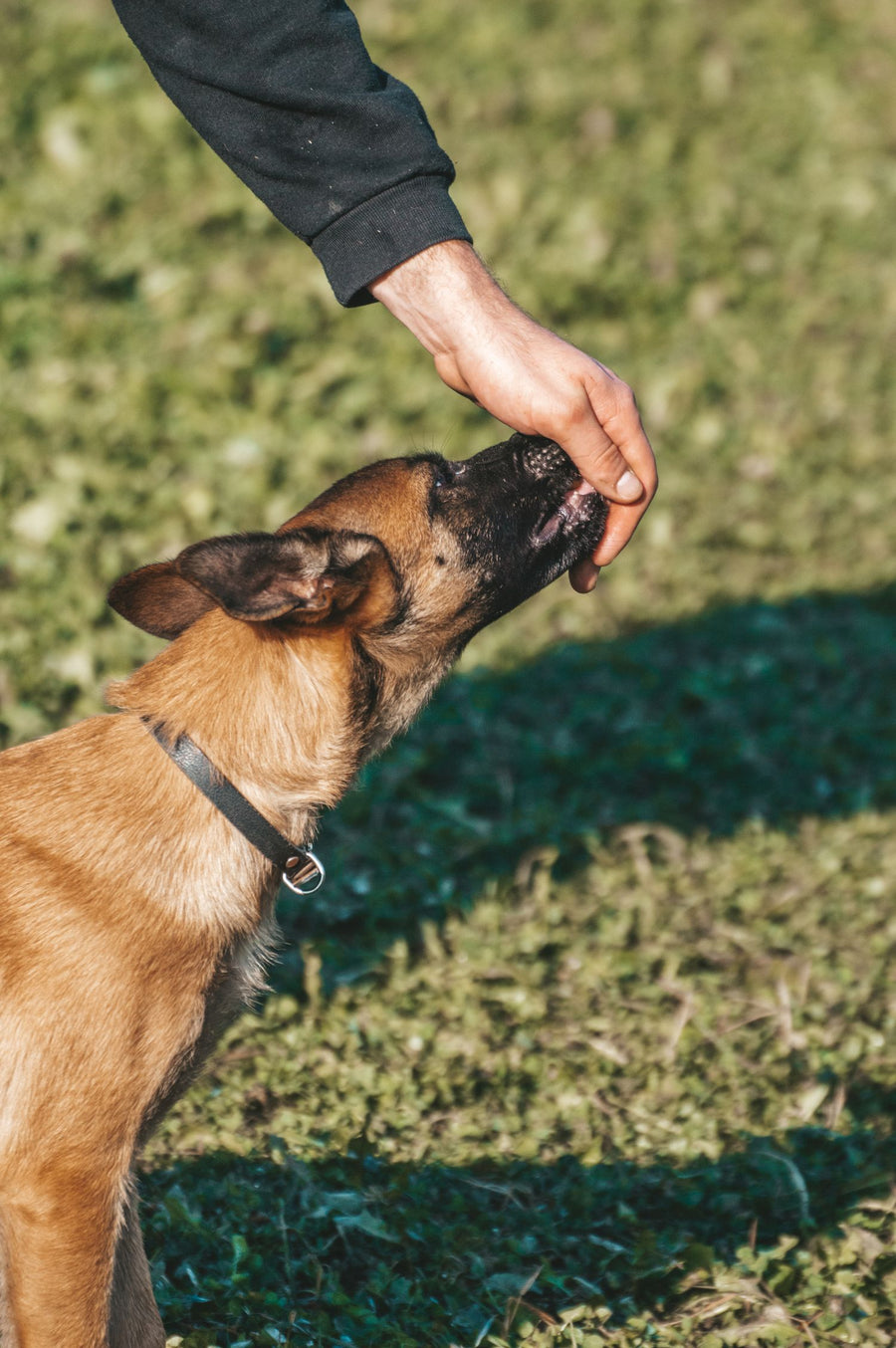
After a walk, run your hands through your dog’s coat and part the fur to look at the skin. The CDC recommends checking pets daily for ticks, especially after time outdoors. Pick a predictable spot by the door so you can work from nose to tail without missing the same hidden area every day.
Follow the same route
Start around the ears and eyelids. Lift the collar and look underneath. Move down the front legs, into the armpits, and between the toes. Continue along the body, between the back legs, and around the tail. On a thick coat, work in small sections. Feeling a bump is only the first step. Part the fur and look before pulling, since nipples and skin tags can also feel raised.
If you find an attached tick
Use fine-tipped tweezers to grasp the tick close to the skin and pull steadily straight out. If it is beside an eye, your dog resists handling, or you cannot safely remove it, call your veterinary team. Note the date and where the tick was attached. Ask the clinic what signs to watch for if your dog later seems tired, lame, or off their food.
A check and a preventive do different jobs
Ask your veterinarian which tick preventive fits your dog’s age, weight, location, and travel plans. Checks catch ticks you can see. A veterinary prevention plan addresses exposure you may miss, including ticks small enough to hide between toes.
Where Ori Pets fits
Ori Pets Flea & Tick Chews for Dogs are supplemental chews. Their name describes the collection. Do not rely on them to kill or repel ticks, prevent disease, or replace your dog’s recommended preventive.
Further reading
CDC guidance on checking pets for ticks · FDA guidance on flea and tick products
From the journal
Can indoor cats get fleas? A plan for the whole household